In the Heart of Indiana Farmland, Clean Energy Leases Provide Hope for Farmers
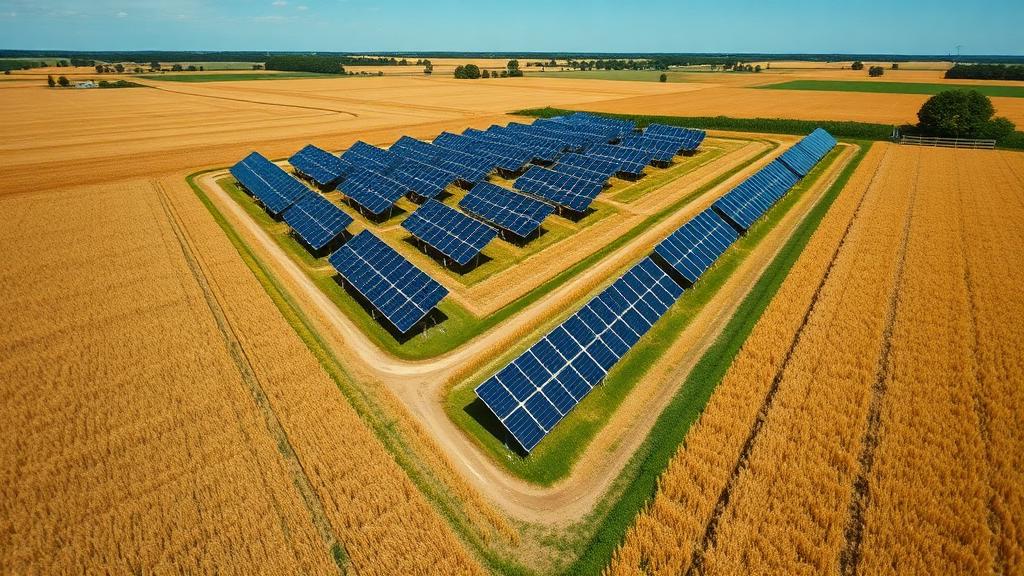
GREENTOWN, Ind. — Picture the endless rows of corn swaying under a vast Midwestern sky, a landscape etched into the souls of generations of farmers. But beneath that serene facade, a quiet storm rages: skyrocketing costs for fertilizers and pesticides, fueled by distant wars and fractured trade ties, threatening to uproot family legacies that have endured for decades. Yet, in this crucible of hardship, a ray of promise shines through—long-term leases for solar panels and wind turbines, offering not just financial rescue, but a chance for these steadfast stewards of the land to hold on, to breathe, to dream again.
In Howard County, a close-knit community an hour north of Indianapolis, where the night sky dances with the gentle red pulses of existing wind turbines, farmers like Anthony Downing, Brian King, and David Long stand as pillars of resilience. Alongside nine other landowners, they've forged a bond with Engie, a forward-thinking energy company, to transform 1,500 acres just beyond Greentown into a thriving solar farm. By 2026, it will capture the sun's boundless energy, channeling a steady flow of income that eclipses what they'd earn from renting fields for crops—money that mends the frayed edges of their daily struggles and keeps the farm in the family.
These are not abstract numbers; they're lifelines for families grappling with the raw pain of modern agriculture. The war in Ukraine has sent shockwaves, jacking up the price of natural gas essential for fertilizers and pesticides, turning every planting season into a high-stakes gamble. In Indiana, the bills for rotational corn—machinery, rent, chemicals—have ballooned, often swallowing profits whole and leaving farmers awake at night, wondering how to make ends meet. And then there's the gut-wrenching blow from global markets: U.S. soybean exports to China, once a reliable harvest of hope, have dwindled amid trade wars sparked in the Trump years, while Brazil surges ahead with record shipments in 2025, leaving American growers feeling sidelined and forgotten.
For Downing, King, Long, and their neighbors, the Engie pact is a heartfelt embrace in tough times. Payments soaring sixfold over traditional leases, with a compassionate 2 percent yearly bump for 25 years, pour in the resources to nurture their remaining acres, mend worn-out tractors, or simply stave off the heartbreak of foreclosure. It's the kind of security that lets a farmer look his children in the eye and say, "This land will be yours." As Dan Brockett, a compassionate voice from Penn State Extension's Energy Team, puts it, "Everything else pales in comparison"—a sentiment that echoes the deep relief these deals bring to souls weathered by uncertainty.
But the gifts of clean energy run even deeper, touching the very earth these families cherish. In a state where electricity demand triples production, these projects weave a tapestry of sustainability, slashing emissions, purifying the air for future harvests, and steadying energy bills that once fluctuated like the weather. The land itself heals under solar arrays—soil regenerating after years of toil, blooming with wildflowers and wildlife, ready to farm anew when the time comes. And in innovative strokes, like sheep grazing peacefully beneath panels at places such as Susquehanna University in Pennsylvania, energy and agriculture entwine in harmony, proving that progress can honor tradition.
Indiana's clean energy renaissance is no distant dream—it's a vibrant force employing nearly 10,000 Hoosiers, infusing $8.1 billion into communities that pulse with new jobs and vitality. Sure, whispers of doubt linger in some corners, with a quarter of U.S. counties pausing big projects as of September 2025 over fears of change or disruption. But for these farmers, the view is clear: the temporary shadows of construction fade against the enduring light of stability and stewardship.
In Howard County, where the soil holds stories of sweat and sacrifice, clean energy leases aren't mere transactions—they're acts of love, preserving the sacred bond between farmer and field. As one kindred spirit in a nearby tale shared, it's "kind of a no-brainer," a simple truth that mends hearts and secures horizons for generations to come.